 866.633.1597
  Mon-Fri 8:30am-5:00pm CST



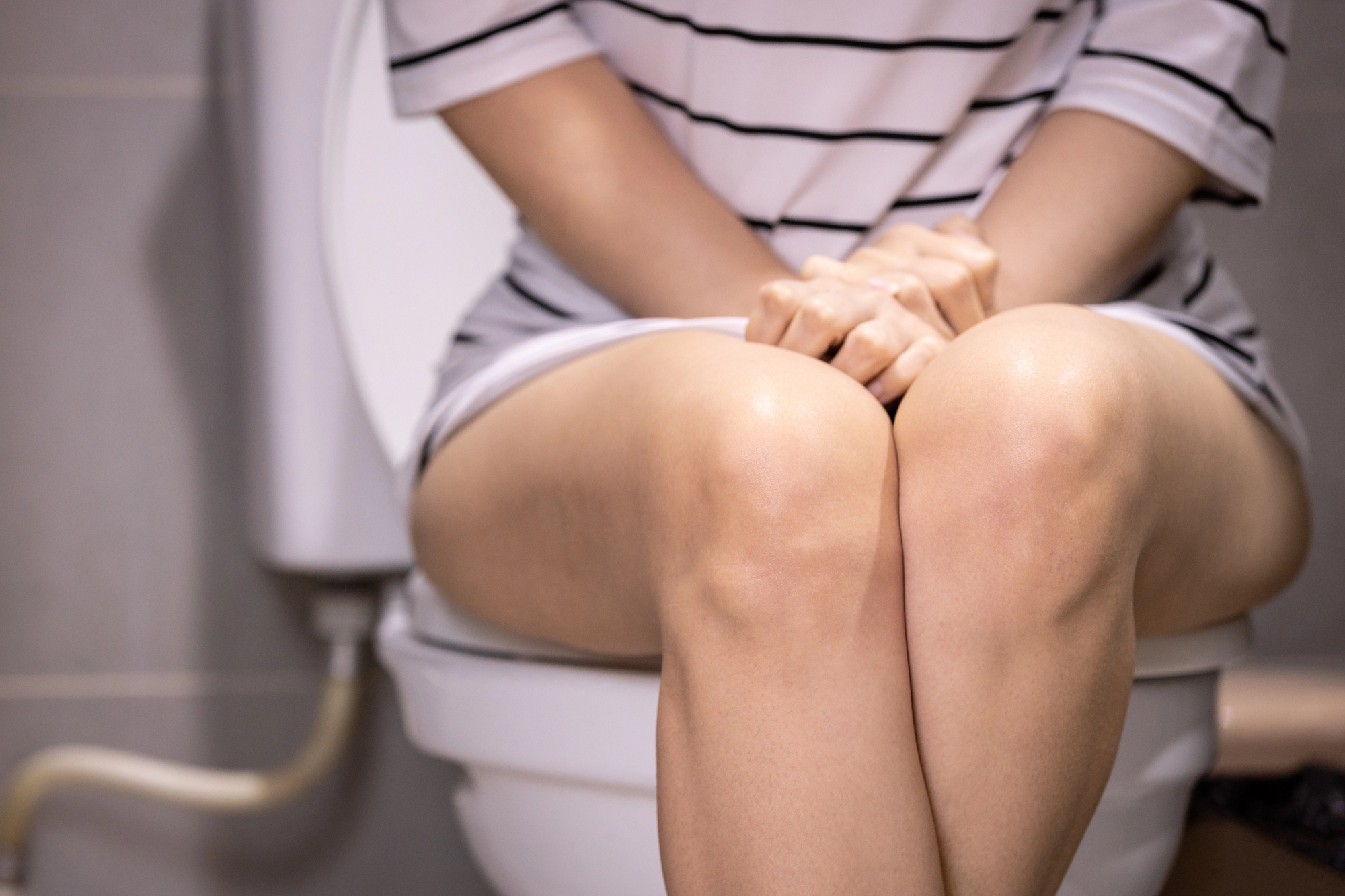
Experiencing incontinence after childbirth is more common than many new mothers realize. In fact, studies estimate that up to 45% of women experience some form of urinary incontinence after delivery.
Despite how common it is, many women assume it’s simply part of the postpartum experience. While incontinence can occur after childbirth, it’s important to understand that effective treatments and support options are available.
Knowing when to seek professional help and understanding your insurance coverage for treatment and medical supplies can make a significant difference in your recovery and overall quality of life.
Understanding Post-Delivery Incontinence
Childbirth places significant stress on the pelvic floor muscles, which support the bladder, uterus, and rectum.
During pregnancy and delivery, these muscles can stretch or weaken, leading to conditions such as:
- Urinary incontinence after childbirth (leaking urine)
- Fecal incontinence after childbirth (loss of bowel control)
For many women, symptoms improve naturally as the body heals. However, others may require medical treatment or pelvic floor therapy to regain full control.
Every postpartum recovery journey is different. Some mothers notice improvement within a few weeks, while others may need additional time and support.
When to Seek Help for Incontinence After Childbirth
While mild symptoms may improve on their own, certain warning signs indicate it may be time to speak with a healthcare provider.
Urinary Incontinence Warning Signs
You should consider seeking professional help if you experience:
- Leaking urine during everyday activities like coughing, sneezing, or lifting
- Sudden, uncontrollable urges to urinate
- Frequent urination that disrupts your sleep or daily routine
- Difficulty controlling urine flow
- Symptoms that persist for several months postpartum
Early treatment can help strengthen pelvic muscles and prevent symptoms from worsening.
Fecal Incontinence After Childbirth
Although less common, fecal incontinence after childbirth can occur due to muscle or nerve damage during delivery.
You should seek medical attention if you experience:
- Difficulty controlling bowel movements
- Leaking stool during physical activity
- Sudden urgency with little warning
- Persistent pain or discomfort during bowel movements
These symptoms should always be discussed with a healthcare professional.
Finding Healthcare Providers Who Treat Postpartum Incontinence
Several specialists can assist with postpartum incontinence:
Primary Care Physicians
Often serve as your first point of contact and can provide initial assessments and referrals.
OB/GYNs
Specializes in women’s health and commonly treats postpartum pelvic floor conditions.
Urogynecologists
Focus specifically on pelvic floor disorders and can offer advanced treatment options.
Physical Therapists
Provide targeted exercises and therapies designed to strengthen the pelvic floor muscles and improve bladder control.
With Neb Medical, you select the products you need, and we handle insurance verification and billing directly.
Treatment Options and Medical Supplies for Urinary Incontinence After Childbirth
Modern treatment for postpartum incontinence includes various approaches:
- Pelvic floor exercises and physical therapy
- Bladder training techniques
- Medications when appropriate
- Medical devices and supplies for managing symptoms
- Surgical interventions in severe cases
Many women also benefit from specialized medical supplies during recovery, including absorbent products and pelvic support aids that help manage symptoms while on the road to full recovery.
Neb Medical has a wide variety of medical supplies that aid in the recovery process. You can browse available options Here.
Understanding Your Insurance Coverage
What’s Typically Covered by Insurance
Depending on your plan, coverage may include:
- Diagnostic tests and evaluations
- Physical therapy sessions
- Prescription medications
- Medically necessary medical supplies
- Follow-up appointments with specialists
Coverage varies by provider, but proper documentation from a healthcare professional can often help ensure approval.
Tips for Maximizing Your Benefits
To make the most of your insurance coverage:
- Get proper documentation from your healthcare provider showing medical necessity
- Review your plan’s coverage for durable medical equipment and supplies
- Work with in-network providers whenever possible to reduce out-of-pocket costs
- Keep detailed records of all treatments, expenses, and prescriptions
How Neb Medical Services Can Support You
At Neb Medical Services, we understand that dealing with incontinence after childbirth can feel overwhelming, especially when navigating insurance requirements. We specialize in working directly with insurance providers to secure coverage for medically necessary supplies, often at little or no cost to you.
Get Your Incontinence Supplies Easier with Neb Medical
Neb Medical Services helps thousands of people and their loved ones by simplifying the process of ordering, qualifying for, and receiving the supplies they need to live more comfortably.
Once you qualify, we’ll take care of the paperwork and insurance coordination on your behalf. You’ll have access to trusted incontinence brands, the freedom to choose the products that work best for you, and billing is handled directly with your insurance provider – helping save time and reduce out-of-pocket costs.
Every mother deserves support during this challenging time, and we’re here to help simplify the process of receiving covered medical supplies – offering support every step of the way.
Take a few moments to check your insurance eligibility below. There’s no obligation, just clear answers about what incontinence supplies may be covered for you, with support available every step of the way.
See If You Qualify Here – Order Incontinence and Mobility Supplies Covered by Insurance
Taking the Next Step with Incontinence
Taking this step can make a meaningful difference in your health and comfort. Postpartum incontinence can be frustrating, but you’re not alone, and effective treatment options are available.
Although coverage varies by insurance plan, many policies include benefits for common postpartum products such as:
- Adult diapers and briefs
- Protective underwear (pull-ups)
- Absorbent pads and liners
- Underpads (bed and furniture protection)
- Skin care products, including wipes and barrier creams (in select insurance plans)
Keep in mind, Medicaid is the most common insurer to cover disposable incontinence products, but some private plans may also offer coverage or reimbursement when medical necessity is documented.
If you’re experiencing symptoms, start by speaking with your healthcare provider and exploring treatment options today.
Because with the right care and support, many women successfully recover and regain control.
If you’d like help understanding your insurance coverage for incontinence supplies, contact Neb Medical Services today to learn how we can support your postpartum recovery.

