 866.633.1597
  Mon-Fri 8:30am-5:00pm CST



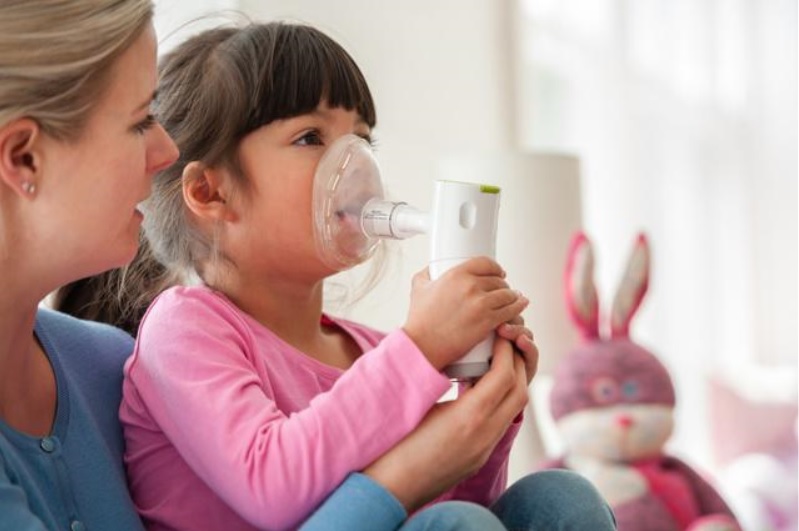
Nebulizers are small devices that transform liquid medications into a mist that is easily inhaled. Breathing in the medication through a small, connected mouthpiece or facemask, the patient gets the support they need quickly since the medication enters the lungs directly.
Nebulizers are used in a range of situations for respiratory-related illnesses and diseases, including:
- Asthma
- Chronic obstructive pulmonary disease (COPD)
- Bronchiectasis
- Cystic fibrosis
Types of nebulizers
There are several types of nebulizers, grouped by how they function, but there are three main types found in medicine today:
- Jet nebulizers: Uses compressed air to create mist mixed with the medication.
- Ultrasonic nebulizers: Utilizes high-frequency vibrations that, when applied to the liquid medication, turn it into a mist. The particles are a bit bigger than they are in a jet nebulizer.
- Mesh nebulizers: This option creates a fine mist by forcing the liquid medication through a small mesh film.
Additionally, nebulizers come in various styles. For example, some are a pocket-sized, portable device capable of traveling with the person who needs it. Others are larger, plug-in devices that can be used when a patient is stationary. Most often, doctors select the appropriate type based on the specific needs of the patient.
Do nebulizers expire?
General lifespan of a nebulizer
Three to five years is the recommended lifespan for the nebulizer compressor, not the nebulizer itself. Medication cups/nebulizers come in two lifespan duration: Disposable or reusable. Disposables are most commonly used and typically last for approximately 10 to 15 treatments, or a couple of weeks. Reusable nebulizers are good for six to 12 months, depending on frequency of use. These components need to be cleaned and maintained via dish soap.
Compressors merely need to be wiped down and the filter checked for discoloration and then replacement.
Factors affecting lifespan
Numerous factors impact how long a nebulizer will last. Ultimately, the functional lifespan of a nebulizer is dependent on how well it continues to work accurately including with fill volume, efficiency of the production of mist, and the residual volume.
Some of the factors that directly influence this may include:
- How often it is used
- How well it is cleaned and maintained
- Where and how it is stored
- The quality of the device to start with (inferior products do not last as long)
Do nebulizer medications expire?
While the device itself has a lifespan, it’s just as important to pay attention to the medication you place inside it. Yes, nebulizer medications do expire, and using them past their expiration date can affect how well your treatment works.
Understanding expiration dates on opened medications
Here’s something many people don’t realize: an expiration date often changes once a product is opened or removed from its primary or foil packaging. Many nebulizer medications, such as those that come in single-use vials or foil pouches, are designed to stay stable only while sealed. Once you break that seal, the medication is exposed to air, light, and moisture, all of which can begin to break it down.
That’s why you’ll frequently see instructions telling you to use a product within a certain timeframe after opening, even if the printed expiration date on the box is months away. Using an opened medication beyond that recommended window can lead to reduced potency and reduced efficacy, meaning you may not be getting the full dose your provider intended. When in doubt, follow the manufacturer’s “use by” guidance for opened products and discard anything that’s been sitting open longer than recommended.
How to find and read expiration dates on nebulizer medications
Finding the expiration date on your nebulizer medication is usually straightforward, but it can appear in a few different spots depending on the packaging:
- On the outer box or carton
- Stamped or printed on the foil pouch
- On the individual vial or ampule (often very small, so check carefully)
- On the manufacturer’s outer label
Expiration dating isn’t just a suggestion from the manufacturer, either. The U.S. Food and Drug Administration (FDA) has required expiration dating on prescription and over-the-counter medications since 1979. This date represents the point up to which the manufacturer can guarantee the medication’s full potency and safety when stored properly. Once that date passes, there’s no guarantee the medication will work as intended, even if it looks perfectly fine.
If the date is faded, missing, or you’re unsure how to interpret it, it’s always best to reach out to your pharmacist or healthcare provider rather than guess.
Can you use an expired nebulizer solution or medication?
The short answer: it’s not recommended. Expired nebulizer medications may have reduced effectiveness because the active ingredients can break down over time. That means you might not receive the relief or therapeutic benefit you need, which can be a real concern when you’re managing a respiratory condition.
There are also safety considerations. Depending on the medication and how it was stored, expired products may not just be less effective, they could potentially cause irritation or other unwanted effects. Discoloration, cloudiness, or particles in a solution that should be clear are all signs the medication should not be used.
In an emergency situation, such as during an asthma flare-up or breathing difficulty, do not rely on expired medication. Use a new, unexpired medication as soon as possible and seek medical help right away if your symptoms don’t improve or are severe. It’s a good idea to regularly check your supply so you’re never caught without fresh, effective medication when you need it most.
Side effects and safety considerations of nebulizer medications
Like any medication, the solutions used in nebulizers can come with side effects. Knowing what to watch for helps you use your treatment safely and recognize when something isn’t quite right.
One of the most common nebulizer medications is albuterol, which is used to open up the airways. Some of the more common side effects people may experience include:
- Tremor or shakiness, often in the hands
- Nervousness or feeling jittery
- Rapid or pounding heartbeat
- Headache
- Dizziness
- Dry mouth or throat irritation
Most of these effects are mild and tend to ease as your body adjusts. However, certain reactions warrant prompt medical attention. Seek help if you experience:
- Chest pain or an irregular heartbeat
- Worsening breathing or wheezing after using the medication
- Signs of an allergic reaction, such as swelling, rash, or difficulty breathing
- Severe dizziness or fainting
Always talk with your healthcare provider or pharmacist about the specific medication you’re using, since different solutions carry different considerations. They can help you understand what’s normal, what isn’t, and how to use your nebulizer treatment as safely and effectively as possible.
When to replace your nebulizer
If there is any concern about the condition of the nebulizer, replace it. There are several other indications that it may be time to choose a new nebulizer:
Performance issues
If, when using the device, the mist output is no longer the same or it takes a longer time for the nebulizer to deliver the medication, it may be ending its functional lifespan.
If the device seems to be louder to operate or has experienced any type of change in its operational sound, the components may be wearing down and require replacement.
Physical wear and tear
Changes in the physical condition of the nebulizer also indicate the need for replacement:
- Cracks
- Discoloration
- Wearing of the exterior
- Wear on the tubing components
- Wear or damage to the mask
- Breakdown or wear on the mouthpiece
- Other signs of material degradation
Recurring issues
In situations where the device does not work as it should consistently, that could be an indicator of the need for replacement. For example, if there are frequent clogs or parts that need to be replaced on the device often, that could indicate replacement is the better option.
Also note that concerns with the power source should be considered carefully. Any changes to the battery storage area, for portable nebulizers, or the power source of stationary models may require replacement.
Tips for extending the life of your nebulizer
There are several steps users can take to minimize the damage and extend the functional lifespan of a nebulizer:
Proper maintenance and cleaning
Always follow the manufacturer’s directions for cleaning your nebulizer. Typically, this process includes:
- Removing the nebulizer parts individually to separate them.
- Clean them with a mild dish detergent and warm water.
- Disinfect them.
- Rinse thoroughly.
- Allow them to air dry.
- Reassemble with care and attention.
The frequency of cleaning and replacing parts is dependent on numerous factors. That includes how often you use them. Most of the time, cleaning them at least once a week is recommended. Keep in mind that tubing should not be submerged in water because it’s so difficult to get the moisture out. If moisture gets trapped in the tubing, the airflow is not as strong and the quality of the treatment will be affected. If this happens, disconnect the medication cup and run the compressor for 10 minutes to force air through it to let it dry.
Storage and handling
Follow all manufacturer recommendations for storage and handling of the product. Consider these best practices for storing a nebulizer properly when not using it:
- Ensure all parts are dry during storage.
- Place them into a clean storage bag.
- Avoid placing them in extreme weather conditions.
When not in use, keep them sealed and packed away to minimize dust and debris buildup. However, if you notice damage to them, replace them rather than continue to use a product that may no longer be effective.
Find a nebulizer covered by insurance with Neb Medical
Neb is the premier medical supplier that works with your insurance company to ensure they cover the devices you need. Delivered right to your door, we make the process as easy and cost-effective as possible for you.
Browse our variety of state-of-the-art nebulizers to find what you need today or get in touch to learn more!
The same care applies to your medications. Store them according to the manufacturer’s instructions, keep them in their sealed packaging until you’re ready to use them, and always check the expiration date before each use. Pairing a well-maintained device with fresh, properly stored medication is the best way to make sure every treatment is as effective as it should be.

