 866.633.1597
 Mon-Fri 8:30am-5:00pm CST




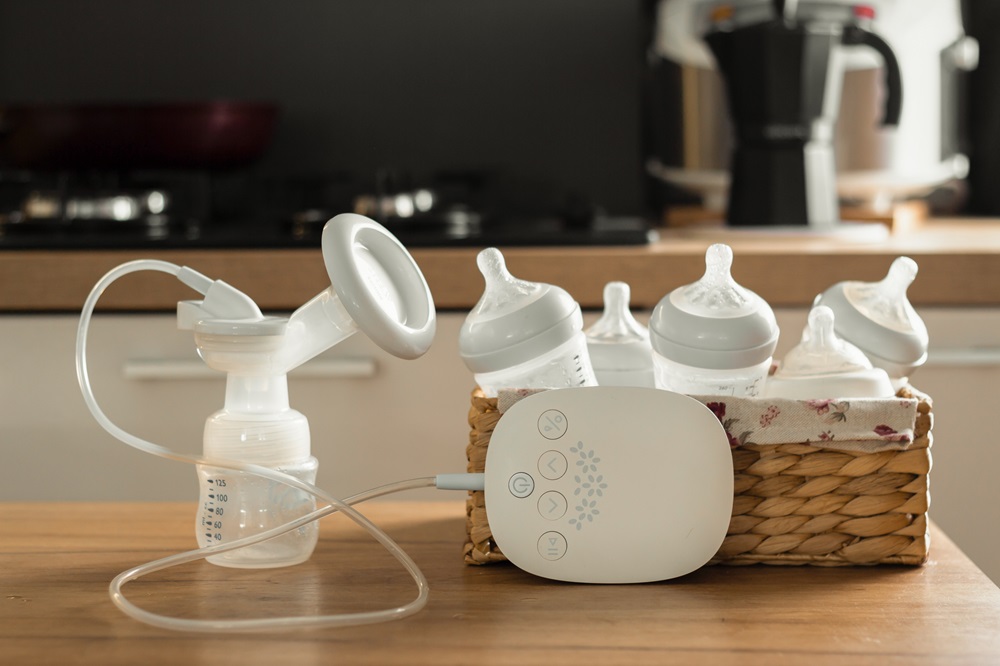
There’s no doubt about it: Being a new parent is expensive.
Even after the baby shower, there are expenses for everything from diaper cream to daycare, and it seems like there’s a new bill every time you turn around.
So when it comes time to get a breast pump, you may be wondering if it makes sense to buy a used breast pump to save money? The quick and dirty answer is “no,” but read on for more information on why it’s important to never get a used pump and how to get a breast pump for free.
Quick Answer: Is a Used Breast Pump Safe?
For most parents, a used breast pump isn’t a safe or necessary choice. Here’s the short version:
- Most pumps are single-user devices. The FDA advises against sharing or reusing them because they can’t be guaranteed fully clean.
- Insurance usually covers a new pump. Under the Affordable Care Act, most Medicaid and private insurance plans cover one breast pump per pregnancy.
- Warranties don’t transfer. A secondhand pump typically won’t be covered for repairs or replacement parts.
- The only exception is a multi-user, closed-system (often called “hospital-grade”) pump, and even then, every accessory that touches milk or skin must be brand new.
- Renting is a safer alternative. If you need a pump for a short period, a hospital-grade rental is designed for multiple users.
Medicaid or Private Insurance Will Cover A New Pump
First of all, if cost is your biggest concern, rest easy. Medicaid and private insurance policies are required by the Affordable Care Act to cover the cost of one breast pump per pregnancy, along with the required supplies.
Companies that sell breast pumps can help you figure out which pumps are free under your particular plan and can also help you get a reduced cost on models that aren’t fully covered.
To get your pump for free, all you have to do is contact us and we can find out which pumps are covered under your insurance and ship one to you for free.
But let’s say you want a second breast pump, for use at work or at school. Even though you have to pay for it, it’s still better to buy a new one rather than a used one, for the reasons listed below. And the good news is that you can get 20% off the retail price of a second pump at NebMedical by using the code THANKYOU.
And know that some insurance plans also allow you to get an additional breast pump after a calendar year has passed since the baby’s birth, so check with us to find out if that is true for you.
Use Your FSA or HSA for Extra Savings
If you do need to pay out of pocket for a second pump or extra supplies, a Flexible Spending Account (FSA) or Health Savings Account (HSA) can help. The IRS considers breast pumps and lactation supplies to be qualified medical expenses, which means you can use pre-tax dollars to cover them. That includes items like:
- A second breast pump for work or travel
- Replacement flanges, valves and membranes
- Tubing and bottles
- Milk storage bags
Combine your FSA or HSA funds with a discount code, and a brand-new pump can end up costing about the same as (or less than) a used one, without any of the risks. Check with your plan administrator to confirm what’s covered under your specific account.
3 Reasons Not to Get a Used Pump
-
Used Pumps May Be Contaminated
A breast pump is a medical device, designed to gather and store bodily fluids. (That’s the reason charities like the Salvation Army won’t accept donations of used breast pumps.) For some time, doctors thought breast milk was sterile, but more recent research has proven that’s not the case. Trapped fluids also can cause mildew or mold, and there may be infectious particles in breast milk.There are two kinds of pumps: ones designed for multiple users (often called “hospital-grade pumps”) and those designed for single users. Most pumps are intended only for single users.There are also two further categories of breast pumps: open-system pumps and closed-system pumps. In an open-system pump, milk can reach the motor or inner parts of the machine. A closed-system pump keeps fluids from the pump’s interior.
The FDA strongly recommends against buying or accepting a used single-user pump, due to the risk of contamination. Even in a closed system, milk travels through all of the breast pump’s tubing and can get on almost every part of the outside components of a breast pump. There’s no guarantee that a single-user pump can ever be completely sterilized. So buying one that someone else has used can put you at risk.
-
Used Pumps Won’t Have a Warranty
Most breast pumps aren’t designed for long-term use – they only come with a one or two-year warranty because that is how long the motor is intended to be good for. If you start using a breast pump past the time that its warranty covers it, it means that the pump’s motor will start to wear down and work less efficiently, which means you could get less milk out of your pumping sessions and your supply could drop.But even if a used breast pump works perfectly well and is still within its warranty period, the warranty will only cover the first owner, which means it may be difficult or impossible to get replacement parts and repairs.As a side note, if you’re looking for pumps that will last longer, here are some with two-year warranties, which is usually the maximum offered. (Note: Some warranties are limited or only cover the motor):
- Ameda Mya Joy
- Baby Buddha
- Cimilre P1, Cimilre S5+, Cimilre S6
- Elvie Double Pump, Elvie Stride, Elvie Stride Plus
- Motif Luna, Motif Twist
- Phillips Avent
- Spectra S1, Spectra S2
- Unimom Opera (three-year warranty)
- Zomee Z2, Zomee Fit
-
New pumps = new technology
Companies that make breast pumps are coming up with new technology all the time. Just within the last few years, they have designed breast pumps that can fit inside a bra, quiet pumps intended to be worn in public without attracting attention and pumps the size of a cell phone, so small they can fit inside your hand.
There are also improvements in the way the pumps work and the accessories that can help make pumping an easier and a more relaxing experience. If you can buy a newer breast pump, you’ll be able to take advantage of all the newest technology available.
How to Choose the Right New Breast Pump for Your Needs
Since a new pump is often free through insurance, the bigger question becomes which pump fits your lifestyle. Every parent’s routine is different, so it helps to think about where and how often you’ll be pumping.
Wall-Plug (Electric) Pumps: Best for Home Use
Plug-in electric pumps are a popular choice for parents who do most of their pumping at home, especially exclusive pumpers or anyone pumping frequently.
Pros:
- Strong, consistent suction
- No need to worry about battery life
- Often more adjustable settings for speed and suction strength
- Typically fully covered by insurance
Cons:
- You’re tied to an outlet while pumping
- Bulkier and less convenient for travel
Portable Battery-Powered Pumps: Best for Work, School and Travel
Rechargeable pumps give you the power of a traditional double electric pump without needing to sit next to an outlet. Many models, like the Spectra S1, can run on either battery or wall power.
Pros:
- Pump in a car, office, lactation room or anywhere on the go
- Many still offer strong suction comparable to plug-in models
- Flexible for busy schedules
Cons:
- Batteries need regular charging
- Some models are slightly heavier than plug-in only pumps
Wearable Pumps: Best for Hands-Free Multitasking
Wearable pumps fit inside your bra, with the motor and milk collection cups all in one unit and no dangling tubes. Options like the Elvie Stride and Zomee Fit are popular with parents who want to pump while working, commuting or caring for older kids.
Pros:
- Completely or mostly hands-free
- Quiet and discreet, so you can pump in meetings or in public
- Easy to move around while pumping
Cons:
- Suction may be less powerful than traditional electric pumps for some users
- Smaller collection cups may need to be emptied more often
- Getting the right flange fit can take some trial and error
- Often only partially covered by insurance, so there may be an upgrade cost
Tip: Many parents find that a combination works best: a reliable electric pump at home plus a wearable or portable pump for work. Your insurance-covered pump can be your main pump, and you can use the NebMedical THANKYOU discount code and your FSA or HSA funds for a second one.
Questions to Ask Yourself Before Choosing
- Will I be pumping mostly at home, at work or on the go?
- Am I exclusively pumping or pumping occasionally?
- Do I need to pump hands-free?
- How important is noise level and discretion?
- Which pumps are fully covered under my insurance plan?
The NebMedical team can help you compare the pumps covered by your plan so you can find one that fits your routine.
The Final Word
At the end of the day, if you have any insurance, used breast pumps aren’t the way to go. And even if you don’t have insurance, it’s crucial to make sure a used breast pump is a completely sterilized, closed-system pump intended for use by multiple people. And no matter what, never reuse accessories or pump parts like breast flanges, tubing and storage bags. It’s not worth the risk.

