 866.633.1597
  Mon-Fri 8:30am-5:00pm CST



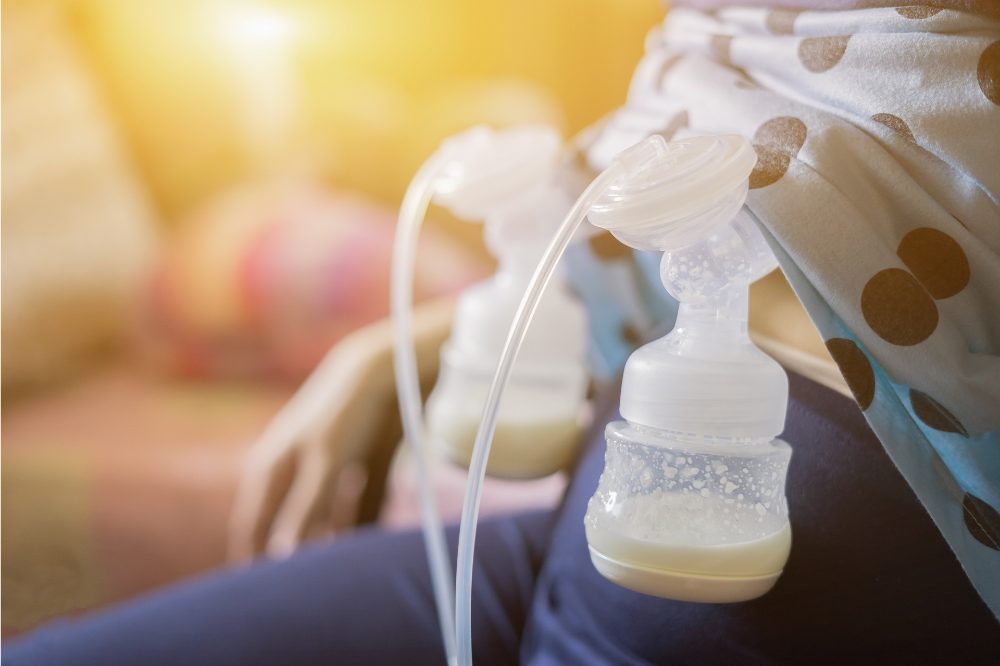
If you’ve ever pumped breastmilk, you may find yourself asking a question that seems deceptively simple: Are my breasts empty?
It’s a common concern, especially among those who have just started pumping or breastfeeding, and there are several important reasons to determine the answer.
- Pumping breastmilk (and breastfeeding in general) is a matter of supply and demand. The more you pump and feed, the more milk your body will create. If you stop pumping before your breasts empty, you may make less milk.
- Emptying your breasts helps avoid engorgement, which is when your breasts become overly full of milk. Engorgement can be painful and can lead to other, more serious problems down the road.
- You want to get as much milk out of each session as possible, so you don’t want to stop pumping before your breasts are fully empty. And if your breasts aren’t fully empty after a pumping session, it might mean your pump settings aren’t right.
One tricky thing about breasts is that they’re never completely empty. But after a regular pumping or nursing session, they should feel different from when they’re full. Here’s how to tell if you’ve emptied them enough.
And here’s a bit of reassurance before we dive in: if you’re worried about whether your body is making enough milk, you’re in good company. The truth is that nearly all mothers produce plenty of breastmilk for their babies, and you typically don’t need to make major dietary changes or follow a special “milk-boosting” routine to do so. For the vast majority of women, the body knows exactly what to do. So while it’s natural to wonder if your breasts are empty, try not to let that worry overshadow the wonderful work your body is already doing.
How to know if you’re breasts are empty
-
Your breasts will feel lighter
When your breasts are empty, they will probably feel lighter and no longer uncomfortably full, as they might have at the start of the pumping session. You can also pick them up to see if they still feel heavy or full of milk.
-
You have spent at least 15 minutes pumping
Pumping sessions typically take about 15 to 20 minutes. So if you’ve been pumping for at least 15 minutes during each double-pumping session, your breasts are most likely empty, even if you don’t see a lot of milk in the container. A typical output for a pumping session is .5 to 2 ounces, but it’s important to remember that the quantity will vary for a lot of reasons, including the age of your baby and when you started pumping. Here’s a quick explainer about the many factors that go into what you will produce.
-
You will notice less coming out
If you have been pumping for 15 to 20 minutes, you should experience a change in the way the milk is flowing, from a spray to a dribble or drop. If that’s the case, your breasts are most likely empty. However, if your milk stops flowing consistently after a few minutes, you may need to change your breast pump settings to cause yourself to have a second “letdown” during your session. (More on this below).
How to know if your breasts are empty during breastfeeding
Pumping isn’t the only time this question comes up. If you’re nursing directly, you can’t see exactly how much milk your baby is taking, which can make it even harder to gauge whether your breasts have emptied. The good news is that your baby and your body will give you plenty of clues.
Let your baby lead
One of the most reliable signs that a breast is empty is that your baby will naturally come off the breast on their own when they’re satisfied. A baby who is still hungry tends to stay actively latched and sucking, while a baby who has emptied that side will often release the breast, slow down, or simply seem content and relaxed. Try not to pull your baby off before they’re ready, since they may still be drawing out milk even if the sucking has slowed.
Pay attention to how the breast feels
Just like with pumping, your breast should feel noticeably different after a good feeding session. Before nursing, a full breast often feels firm, heavy, and sometimes a little tender. Afterward, an emptied breast typically feels softer, lighter, and almost “floppy” or deflated. That change in firmness is one of the simplest ways to tell that your baby has done a good job.
Read your baby’s cues
A baby who has fed well will usually show signs of contentment, such as relaxed hands, a calm body, and sometimes that sleepy, milk-drunk look. Watching for active swallowing during the feed is another reassuring sign that milk is moving, since you may hear or see your baby gulping rhythmically rather than just lightly sucking.
How long should a breastfeeding session take?
The amount of time it takes for your baby to empty a breast changes as they grow, which is why feeding duration can be a helpful (though not perfect) guide.
In the early newborn days, feedings tend to last longer, often 20 to 40 minutes or more, because newborns are still learning to latch and feed efficiently. As your baby gets older and more practiced, feedings naturally become quicker. By around three months, many babies can finish a full feeding in roughly 10 minutes per breast, simply because they’ve become so much more efficient.
Because every mother and baby pair is different, these are just general ranges rather than strict rules. A shorter feed doesn’t automatically mean your baby didn’t get enough, especially as they get older. Use feeding time alongside the other signs, like how your breast feels and how content your baby seems, to get the full picture.
Signs your baby may not be getting enough milk
While most babies feed effectively and most mothers make plenty of milk, it’s still worth knowing the signs that your little one might not be getting enough. If you notice any of the following, it’s a good idea to check in with your pediatrician or a lactation consultant:
- Sluggishness or low energy. A baby who seems unusually lethargic or hard to rouse may not be getting enough to eat.
- Weight loss or poor weight gain. Some early weight loss is normal in the first few days, but your baby should be steadily gaining after that.
- A constant desire to nurse. If your baby always seems hungry and is never satisfied after feedings, it could be a sign they aren’t getting enough milk.
- Falling asleep at the breast within minutes. Drifting off after a good, full feed is normal and adorable. But consistently falling asleep just a few minutes into nursing, before getting much milk, can mean your baby is tiring out before they’re truly full.
- Fewer wet and dirty diapers. A well-fed baby typically produces several wet diapers a day. A noticeable drop-off can be an early warning sign.
Remember, the occasional fussy or sleepy feed is completely normal. It’s the ongoing pattern that’s worth paying attention to. And again, if anything feels off, reaching out for support early is always the right call.
What to do if your breasts aren’t emptying
If you’re having trouble fully emptying your breasts, here are several tricks that might help:
-
Try to Get More Than One Letdown:
If you notice your milk flow has slowed down before your 15-minute session is over, switch back to the letdown setting on your pump (if your pump has one) for a few minutes and see if the milk flow restarts or increases. You can also try massaging your breasts or adding warmth or vibration to help with those additional letdowns. Not everyone has a tingling or painful sensation during letdown so you may not even realize that you are having one. After having a few additional letdowns, your breasts should feel empty after 15 minutes of pumping.
-
Hand-express milk after each pumping session:
If your breasts still feel full after a pumping session, you can always hand-express them afterward to make sure they’re completely empty. This video from Stanford University shows how.
-
Change the settings on your pump:
Try increasing (or even lowering) the speed to see if you respond better to that.
-
Change your flange size:
If your breast is too constricted in your flange, you may not be able to express as much milk. Try upping the flange size to give your breast more room to move. However, conversely, if your flange is too big and there isn’t enough of a pull, you may not pump enough, so if your flange is too big, switch to a smaller size. Flanges should be snug, without hurting, so feeling a little friction is ok. Here’s how to measure for your correct flange size.
-
Check to see if your pump is still working optimally:
There may be a cracked tube or a valve that isn’t working properly, which is reducing the suction in the pump. Replace the parts and try again. Here is a guide to how often you should be replacing your breast pump parts.
-
Massage your breasts before or during pumping
: The LaLeche League has tips but you can also watch videos. Try different methods to see what works best. You can also try a lactation massager, which uses heat and vibration to try to increase milk flow.
-
Check for clogged ducts and mastitis:
There are several symptoms of clogged ducts, including hard, painful lumps and blebs at the tips of the nipple. Talk to your doctor if you suspect mastitis.
It’s important to remember that everyone’s body is different and your experience may vary.
Producing breastmilk, especially by pumping, can be challenging, emotionally and physically. Don’t be afraid to ask a medical expert. Doctors, nurses and lactation consultants all can help you figure out the best way to help your body work its milk-making magic!

